Each adjustment in frequency, transponder, or broadcast standard can significantly impact reception. Sat Wave delivers clear guidance on the correct parameters, including symbol rate, polarization, and FEC, ensuring that viewers can tune their equipment efficiently and maintain strong signals.
Proper installation and maintenance of satellite equipment are just as important as having the latest frequency information. Sat Wave offers practical advice on dish alignment, LNB positioning, and cable quality to help viewers optimize their setup for maximum signal stability.
By combining reliable updates with technical guidance, Sat Wave empowers users to enjoy a seamless satellite experience. With the right knowledge and tools, viewers can access all their favorite channels without interruption and confidently navigate the ever-changing world of satellite broadcasting.
As more broadcasters shift toward HD and 4K technologies, frequency modifications have become increasingly common. Many viewers face challenges when these adjustments occur, especially when older settings no longer deliver a proper signal. Sat Wave addresses this issue by offering clearly structured updates that help users quickly adapt to any broadcast changes.
Precision in satellite parameters is essential for achieving optimal reception. Symbol rate, polarization, and FEC must be configured correctly to ensure strong, uninterrupted signal quality. Sat Wave presents these technical values in a simplified format, enabling users to apply them effortlessly without confusion.
Beyond frequency listings, the platform provides insights into the reasons behind broadcast changes. Whether it’s a transponder upgrade, a coverage expansion, or a shift to a more efficient standard, Sat Wave helps users understand the purpose and benefits of each update.
Reception quality depends not only on correct parameters but also on technical setup. Sat Wave offers practical guidance on dish alignment, LNB adjustment, and cable optimization—key steps that significantly improve signal strength and stability across different regions.
Technicians, hobbyists, and everyday viewers all benefit from having a reliable source of satellite information. Sat Wave bridges the gap between technical data and real-world application, making it easier for everyone to maintain a high-quality viewing experience regardless of their expertise level.
With its combination of accuracy, clarity, and expert guidance, Sat Wave continues to support viewers in navigating the fast-moving world of satellite broadcasting. By staying connected to the latest updates, users can enjoy seamless reception and stay one step ahead of every signal change.
Each satellite signal carries crucial information, and even minor frequency shifts can affect picture clarity and sound stability. By tracking these updates, Sat Wave ensures that viewers are always equipped with the most accurate technical data to maintain optimal performance.
High-definition and ultra-high-definition channels demand precise tuning to achieve the best viewing experience. Sat Wave provides detailed instructions for adjusting symbol rates, polarization, and FEC values, helping users optimize every aspect of their satellite system.
Beyond technical parameters, understanding the reasons behind channel movements or transponder upgrades is vital. Sat Wave explains these changes in a clear and concise manner, enabling users to anticipate adjustments and make informed decisions On the subject of their setup.
Dish alignment, LNB quality, and proper cabling also play a major role in signal reception. Sat Wave offers practical tips and step-by-step guidance to ensure that equipment is configured correctly, minimizing interference and maximizing signal stability.
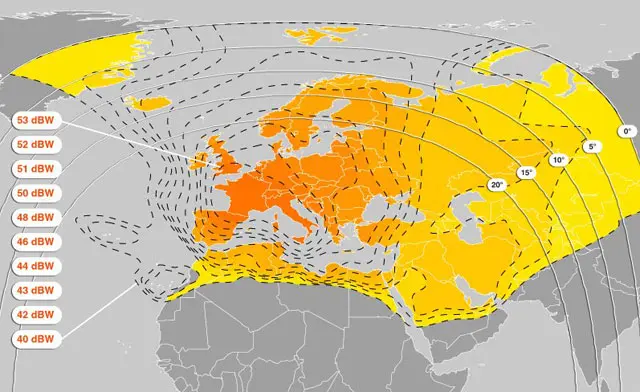
Regional coverage and satellite footprints can vary significantly, affecting reception depending on location. Sat Wave presents this information in an accessible format, helping viewers select the most suitable satellites and frequencies for their area.
Whether for hobbyists, technicians, or everyday users, having access to reliable, up-to-date information is critical. Sat Wave bridges the gap between complex technical data and real-world application, empowering users to maintain uninterrupted broadcasts effortlessly.
By combining accuracy, clarity, and practical guidance, Sat Wave ensures a seamless satellite experience. Viewers can stay connected, enjoy uninterrupted access to their favorite channels, and confidently navigate the constantly evolving world of satellite broadcasting.
Satellites have revolutionized modern communication, broadcasting, navigation, and weather monitoring. From watching international news channels to using GPS while driving, satellites are an essential part of our daily lives. In this article, we explore what satellites are, their orbital types, and how to receive their signals at home.
🌍 What Is a Satellite?
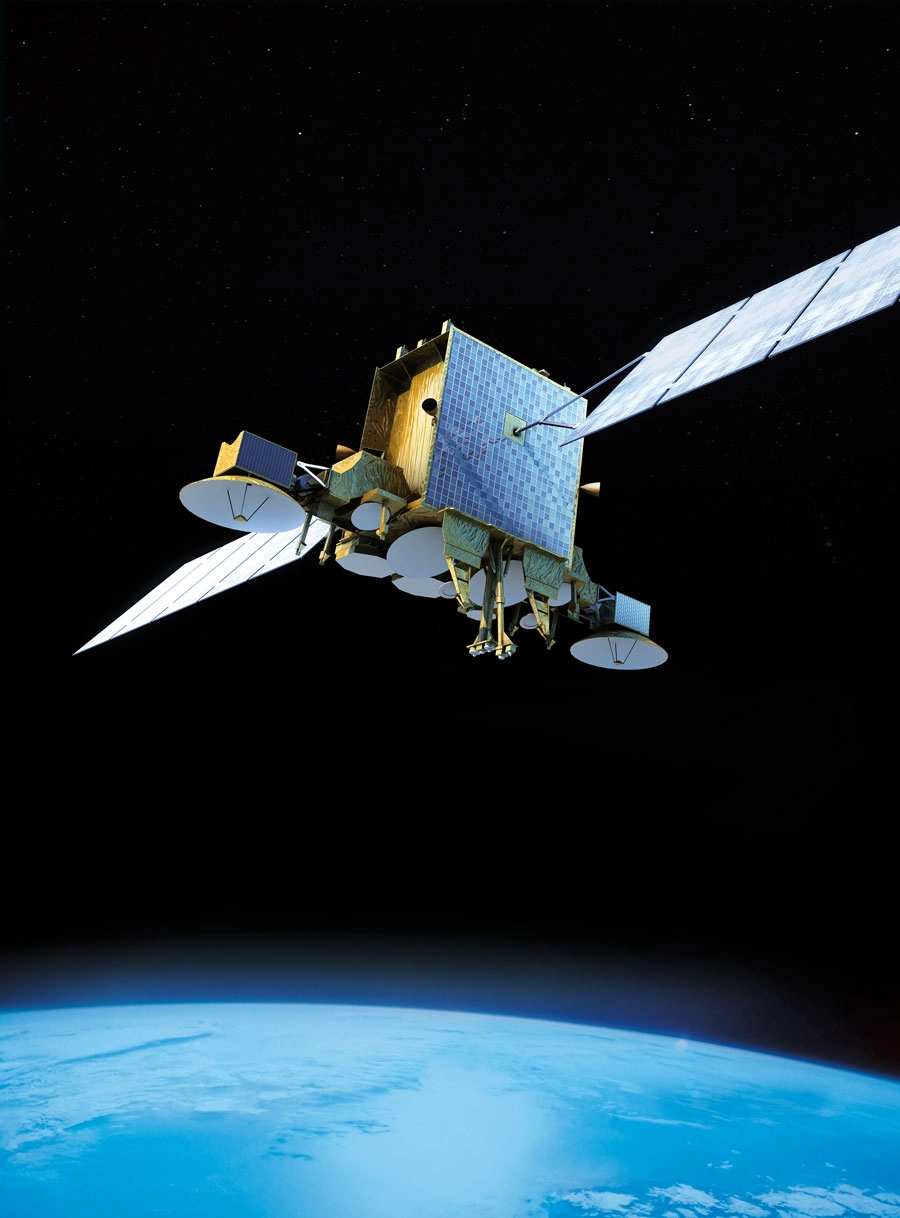
A satellite is an artificial object launched into space to orbit a planet or other celestial body. Satellites are used for a wide range of applications, including:
-
Television and radio broadcasting
-
Internet and telecommunication
-
GPS and global navigation
-
Military reconnaissance
-
Weather forecasting and climate research
-
Earth observation and scientific exploration
🧭 Types of Satellite Orbits
Satellites orbit the Earth at different heights depending on their mission. The three main types of satellite orbits are:
1. LEO – Low Earth Orbit (160 km – 2,000 km)
-
Orbits Earth in 90–120 minutes
-
Used for: internet (e.g., Starlink), Earth imaging, space stations (ISS)
-
Low latency and high resolution
-
Requires many satellites for global coverage
2. MEO – Medium Earth Orbit (2,000 km – 35,786 km)
-
Orbits Earth in 2–12 hours
-
Used for: GPS, GLONASS, Galileo navigation systems
-
Balanced latency and coverage
-
Fewer satellites needed than LEO
3. GEO – Geostationary Orbit (35,786 km)
-
Remains fixed over one location on the equator
-
Orbits the Earth in 24 hours (same as Earth’s rotation)
-
Used for: TV broadcasting (e.g., Nilesat, Hotbird), communications, weather satellites
-
Provides constant coverage of a large area
-
Higher latency but ideal for broadcasting
📡 How to Receive Satellite Signals at Home
To watch satellite TV or receive satellite data, you need a satellite reception system. Here’s how it works:
🧰 Essential Components:
| Component | Function |
|---|---|
| Satellite Dish | Captures signals from the satellite and reflects them to the LNB |
| LNB (Low-Noise Block) | Converts and amplifies signals from the satellite into usable frequencies |
| Receiver (Decoder) | Translates satellite signals into video/audio or data |
| TV or Monitor | Displays the content |
🛰️ Steps to Receive a Satellite Signal:
-
Choose the Right Satellite:
Example: Hotbird (13°E), Nilesat (7°W), Astra (19.2°E) -
Position the Dish:
-
Use a compass or satellite finder to align the dish to the satellite’s position.
-
Adjust azimuth (left/right), elevation (up/down), and skew (LNB tilt).
-
Fine-tune the signal using a signal meter or the receiver’s signal strength screen.
-
-
Connect the Equipment:
-
Connect LNB to the receiver using a coaxial cable.
-
Connect the receiver to your TV using HDMI or AV cables.
-
-
Scan for Channels:
-
Use your receiver’s menu to scan transponders or manually enter frequency settings.
-
Example:
-
- Save Channels and Enjoy!
💡 Tips for Better Signal Quality:
-
Use a high-quality dish (at least 60–80 cm for most satellites).
-
Ensure there are no obstacles (trees, buildings) between the dish and the sky.
-
Secure the dish firmly to avoid movement due to wind.
-
Weather can affect signal—especially heavy rain (known as rain fade).
🛰️ Popular Broadcasting Satellites:
| Satellite Name | Orbital Position | Usage |
|---|---|---|
| Nilesat | 7° West | Arabic and African channels |
| Hotbird | 13° East | European and some Arabic TV |
| Astra 19.2°E | 19.2° East | Western European channels |
| Galaxy 19 | 97° West | North American international TV |
Signal quality depends not only on knowing the latest frequencies but also on proper equipment setup. Dish alignment, LNB quality, and cable connections all play a crucial role in maintaining stable broadcasts. By paying attention to these details, viewers can minimize interference and enjoy a clearer picture and sound.
Understanding the technical aspects of satellite broadcasting empowers viewers to troubleshoot issues quickly. By following practical guidance on frequency parameters, transponder settings, and alignment techniques, users can restore missing channels and optimize signal strength with ease.
Regularly monitoring frequency updates allows viewers to stay one step ahead of any changes in the satellite landscape. This proactive approach prevents signal interruptions and ensures a seamless experience across all major channels and satellites.
By combining accurate data, expert guidance, and practical tips, viewers can enjoy a fully optimized satellite experience. Staying informed and prepared makes all the difference in accessing uninterrupted entertainment, news, and sports programming.